Sustainability & Quality Approach
Stewardship of soil health, efficient resource usage, and disciplined seed quality principles that sustain commercial agriculture for future generations.
Agriculture That Balances Productivity with Nature
At Amira Agriculture Developer, we view sustainability not as an abstract slogan, but as the practical necessity of preserving the soil, water, and biological diversity upon which farming depends.
Productive commercial farming and environmental stewardship are not opposing goals. When crops are genetically adapted to local heat and moisture parameters, plants require fewer emergency inputs, develop more extensive root systems, and leave healthier residues for the next seasonal cycle.
Soil Awareness & Biological Living Ground
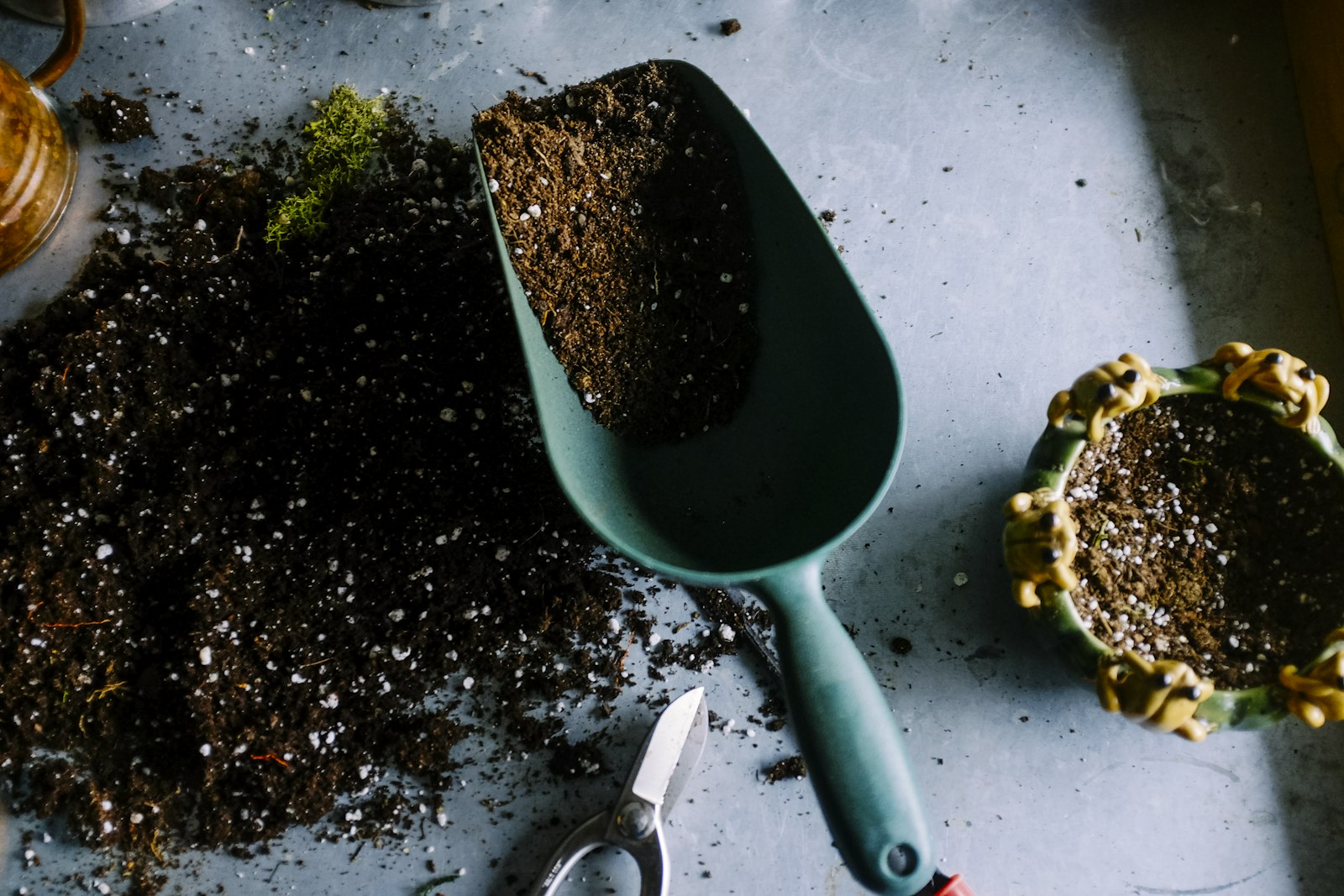
The health of the crop begins with the living biome below the soil surface. Soil compaction, erosion, and organic matter depletion diminish long-term land value and raise production costs.
We promote rotational cropping sequences incorporating deep-taproot varieties (such as sunflowers and canola) that bio-drill through compacted soil strata. Coupled with legume rotations like soybeans and multi-cut alfalfa, growers can fix atmospheric nitrogen naturally and build water-holding humus.
- Encouraging stubble retention to shield topsoil from wind and torrential rain impact
- Promoting biological nitrogen fixation to reduce synthetic fertilizer dependency
- Root architecture diversity to enhance subsoil moisture recharge channels
Responsible Water Use & Drought Resilience
Water availability is increasingly variable across commercial agricultural zones. Conserving moisture requires both soil management and careful crop selection.
Our catalogue features drought-hardy summer cereals like Shield-Dry Grain Sorghum and deep-rooting Oro-Sun 500 Sunflower that can yield viable harvests on limited seasonal rainfall. We encourage growers to monitor evapotranspiration and time irrigation passes to critical reproductive stages.
Targeted Irrigation
Focusing water passes on flowering & grain fill
Waxy Cuticles
Selecting varieties that suppress leaf transpiration
Our Approach to Quality Assurance
Sustainable agriculture starts with seed you can trust. Poor germination leads to patchy plant stands, weed infestation, and wasted diesel and fertilizer.
High Physical Purity
Careful screen sizing and air aspiration remove broken seeds, dust, and weed seeds, ensuring smooth operation in modern precision planters.
Germination & Vigor
Standard germination tests evaluate emergence capacity so growers receive lots capable of pushing through variable seedbed conditions.
Protective Packaging
Durable, moisture-barrier packaging shields embryo viability from ambient warehouse humidity fluctuations prior to sowing.
Agricultural Education & Grower Empowerment
We believe knowledge is agriculture's most transformative input. Access to clear, objective agronomic information allows producers to make decisions that protect both farm economics and natural capital.
Through our online Knowledge Hub and field technical bulletins, we openly share insights on planter calibration, seed storage rules, soil biology, and pest management thresholds.
Explore Our Educational Articles